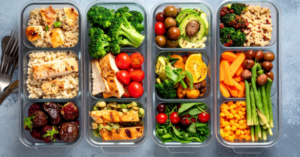
Food is more than fuel; it’s information.
Every bite you take sends chemical signals that influence your hormones, metabolism, energy levels, and even your mood. Many people turn to restrictive diets, thinking that cutting calories or eliminating foods is enough to “fix” their health.
Unfortunately, restrictive diets often leave you depleted and disconnected from the hormonal drivers that underpin your well-being.
Understanding the deep connection between nutrition and hormone balance is the first step toward lasting health. Your body interprets the foods you eat as complex hormone signals, directing traffic for everything from your metabolic rate to your stress response. When we ignore these signals with poor dietary choices, we disrupt the delicate communication system that governs our physiology, paving the way for hormone imbalance and its associated symptoms.
Hormonal balance is unique to each individual. What works for your friend, colleague, or neighbor may trigger fatigue, cravings, or hormonal imbalance for you. Restrictive diets or elimination plans without understanding your personal physiology can suppress reproductive hormones, destabilize cortisol, and disrupt thyroid function.
Personalized, strategic nutrition is key to optimizing energy, mood, and long-term health outcomes.
Key Takeaways
- Skipping meals or eating irregularly triggers cortisol spikes, impairs insulin sensitivity, and can disrupt thyroid hormone conversion.
- Diets high in processed sugar promote inflammation, dysregulate insulin and leptin, and worsen conditions like PCOS.
- Severely restricting calories or healthy fats deprives your body of the essential building blocks needed to produce sex hormones like estrogen and progesterone.
- A hormone-supportive plate prioritizes quality protein, fiber-rich vegetables, healthy fats, and complex carbohydrates at consistent intervals.
- Strategic nutrition focused on nutrient density, not restriction, is fundamental for restoring metabolic and hormonal balance.
Mistake #1: Skipping Meals
This common habit sends a major signal of “famine” to your body, triggering a cortisol spike. Over time, irregular eating impairs insulin sensitivity and can disrupt the conversion of thyroid hormones, slowing your metabolism and sapping energy (Farshchi et al., 2005). When you skip a meal, your stress hormone cortisol rises to mobilize energy, but this also tells your body to hold onto fat stores. This vicious cycle can lead to stubborn weight gain and make it nearly impossible to achieve optimal hormone health.
Fix It: Prioritize consistent, balanced meals every 3-4 hours to stabilize blood sugar and cortisol. This consistent fuel intake reassures your body that it is safe, helping to regulate cortisol levels and preventing the energy crashes that lead to poor food choices later in the day.

Mistake #2: Excess Processed Sugar
The constant blood sugar rollercoaster from a high-sugar diet promotes inflammation and hormonal chaos. It dysregulates insulin and leptin (your satiety hormone) and can worsen conditions like PCOS (Azziz et al., 2016). This overconsumption of highly processed foods and refined sugars is a primary driver of insulin resistance, a condition that is a precursor to type 2 diabetes and a major obstacle for those dealing with fertility challenges. The resulting inflammation can also exacerbate other health conditions related to hormonal dysfunction.
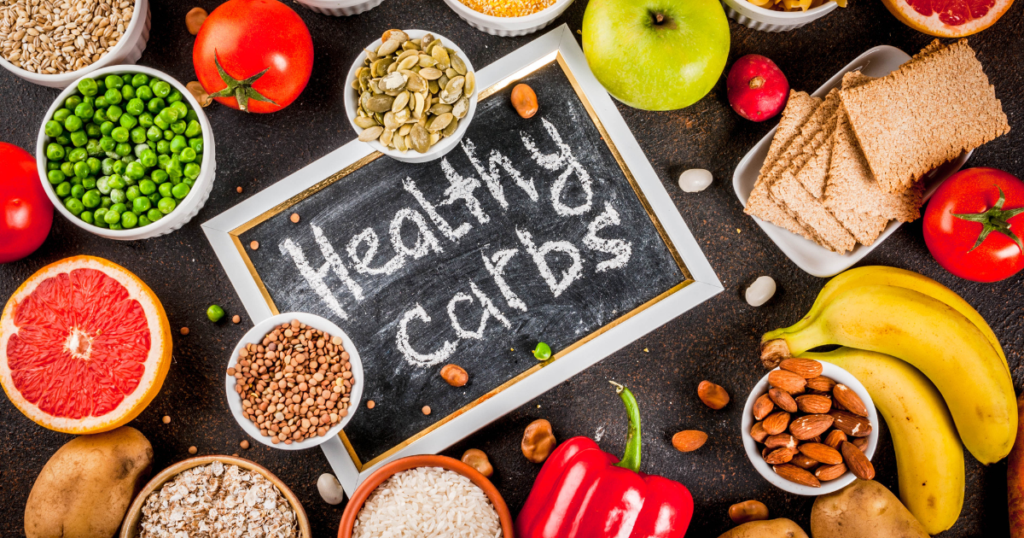
Fix It: Choose fiber-rich carbohydrates like berries, sweet potatoes, and oats. Always pair them with protein and healthy fat to blunt the glucose spike. Incorporating whole grains and other complex carbohydrates provides a slow-release energy source that supports stable hormone levels throughout the day.
Mistake #3: Over-Restriction
Severely limiting calories or avoiding healthy fats is disastrous for hormone production. Sex hormones like estrogen and progesterone are literally made from cholesterol and fat. Chronic under-eating can suppress reproductive function (Barr et al., 2003). This is particularly damaging for long-term hormone health, as the body perceives this restriction as a period of scarcity and downregulates systems that are not immediately essential for survival, such as reproduction. This can lead to irregular cycles, low libido, and even bone density issues.
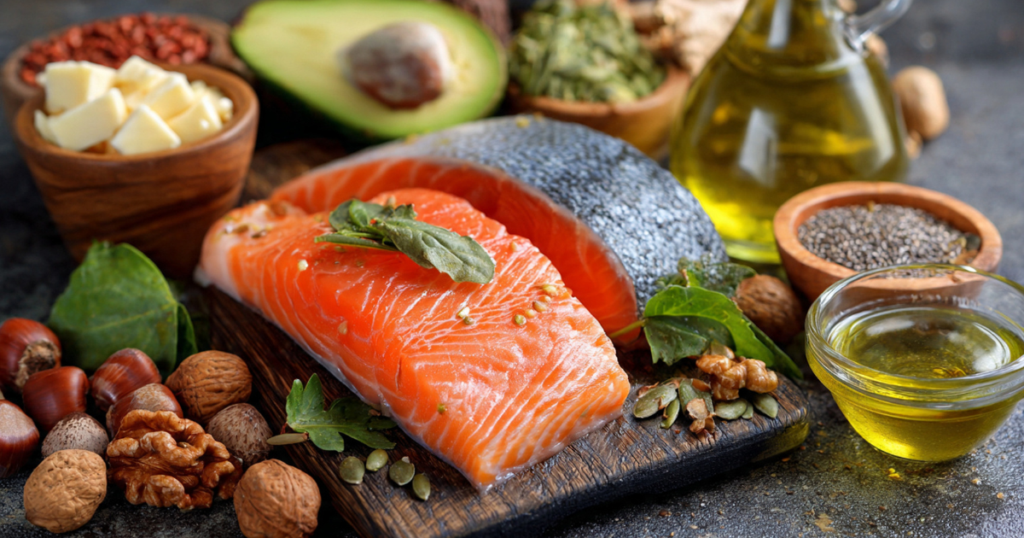
Fix It: Include ample healthy fats for hormone production, like avocado, olive oil, nuts, seeds, and fatty fish at every meal. These fatty acids are the essential building blocks for your hormones. Additionally, focusing on key micronutrients is vital. For example, selenium and iodine are critical minerals for thyroid function, supporting the gland that masterfully regulates your metabolism.
Building Your Hormone-Supportive Diet Plan
True hormone-balancing nutrition is about strategic nourishment, not deprivation. Build each meal with intention:
- Quality Protein (eggs, fish, chicken, tofu, lentils): Supports neurotransmitter production for mood and provides essential amino acids.
- Colorful, Fibrous Vegetables (leafy greens, broccoli, peppers): Regulates glucose and supports gut health for detoxification.
- Healthy Fats (avocado, olive oil, nuts, seeds): The essential raw material for hormone synthesis.
- Smart, Complex Carbs (sweet potatoes, quinoa, oats): Provide sustained energy without spiking blood sugar.
- Hydration: Water is crucial for every metabolic process, including the transport of hormones throughout your body.
- Limit alcohol consumption: Alcohol can disrupt sleep, spike cortisol, and put extra stress on your liver, which is responsible for metabolizing hormones.
Key Micronutrients: Prioritize Zinc, Magnesium, B vitamins, and Vitamin D, all crucial cofactors in hormone synthesis, neurotransmitter production, and insulin regulation (De Souza et al., 2015; Volpe, 2013). Incorporating these nutrients into your daily hormone-balancing diet ensures your body has the raw materials it needs to function optimally. This approach addresses the root causes of hormone imbalance, rather than just masking the symptoms.
Stop Guessing, Start Nourishing
By shifting away from these common mistakes and toward a nutrient-dense, balanced approach, you provide your body with the building blocks it needs for optimal hormonal and metabolic health. You’ll reduce hormonal stress, improve energy, and support long-term wellness. Navigating the world of nutrition and hormone balance can feel overwhelming, but it doesn’t have to be. By focusing on whole, unprocessed foods and listening to your body’s unique signals, you can create a sustainable lifestyle that supports vibrant health for years to come. Remember, it’s not about perfection, but about consistently making choices that nourish and support your incredible endocrine system.
Ready to implement? Download our free guide, Stop Guessing What to Eat, to get meal timing strategies designed to fuel your hormones and restore your energy.