
Discover how functional lab testing reveals the real
reasons behind chronic fatigue.
What Are Standard Lab Tests?
Standard lab tests are the blood tests, urine panels, and screenings ordered by most conventional physicians during routine care. Their primary purpose is to identify whether something is clinically abnormal meaning outside a reference range determined by measuring a large population, typically including sick individuals.
Common examples include a basic metabolic panel, complete blood count (CBC), and TSH (thyroid-stimulating hormone). These tools are valuable for diagnosing conditions like diabetes, anemia, or kidney disease. The limitation? A result flagged as “normal” simply means you don’t meet the threshold for disease. It says very little about whether your body is actually functioning at its best.
Pros: Widely available, typically covered by insurance, standardized across providers.
Cons: Narrow focus, population-based reference ranges, limited insight into root causes of chronic symptoms.
What Is Functional Lab Testing?
Functional medicine testing operates from a fundamentally different philosophy: the goal isn’t just to rule out disease. It’s to understand how your body is actually performing and why you’re feeling the way you do.
Functional lab ranges are typically narrower than standard ranges, calibrated to reflect what’s associated with vitality and wellness rather than the absence of pathology. A TSH of 3.5 might be “normal” on a standard panel, but many functional medicine practitioners find their patients feel best when TSH is closer to 1–2.
Pros: Comprehensive, root-cause oriented, highly personalized, useful for chronic and unexplained symptoms.
Limitations: Often not covered by insurance, requires a practitioner trained in functional medicine interpretation, and results must be applied in clinical context.
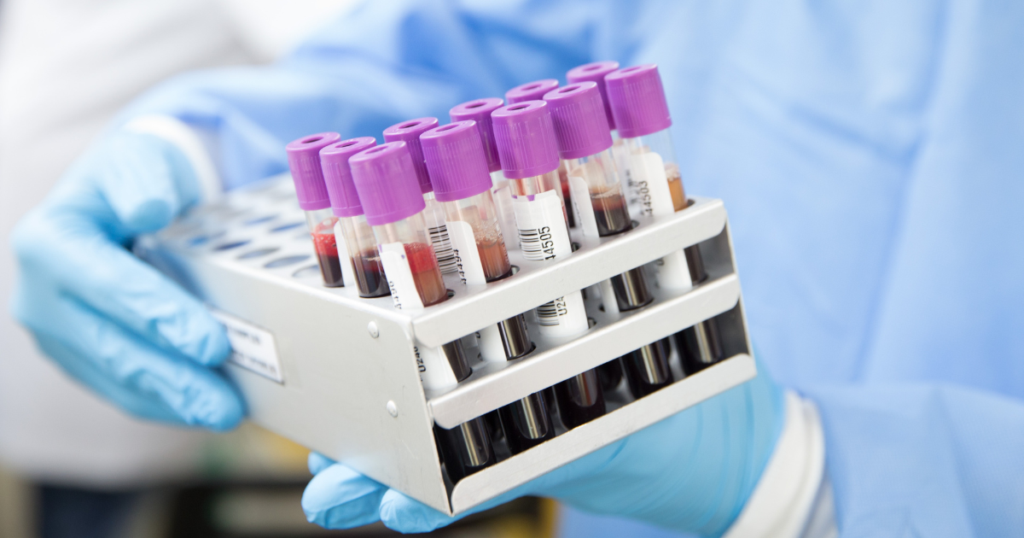
How Functional Labs Are Different
Functional medicine testing casts a much wider net. Here are some of the key areas where it goes beyond the traditional lab work:
Comprehensive Hormone Panel: Rather than a single hormone marker, functional panels evaluate estrogen, progesterone, testosterone, DHEA, and their metabolites, offering a full picture of hormonal balance and imbalance.
Thyroid Beyond TSH: Standard labs usually only measure TSH. Functional testing adds Free T3, Free T4, Reverse T3, and thyroid antibodies, giving a far more accurate read on actual thyroid function.
Cortisol and Adrenal Function: Chronic stress can dysregulate the adrenal system, affecting sleep, metabolism, and energy. A four-point saliva or dried urine cortisol test reveals patterns a single morning blood draw misses entirely.
Inflammatory and Metabolic Markers: Markers like hs-CRP, homocysteine, insulin, and fasting blood sugar (beyond a basic glucose) reveal early-stage inflammation and metabolic dysfunction before they progress.
Nutrient Status: Nutrient deficiencies (particularly in B12, vitamin D, magnesium, zinc, and iron) are among the most common and most overlooked drivers of fatigue, brain fog, and mood changes.
Detoxification and Environmental Toxin Testing: Organic acids, heavy metals, and mold toxin panels can identify harmful substances that conventional labs simply don’t screen for, and these toxins can profoundly affect how you feel.
When Is Functional Lab Testing More Useful?
Functional lab testing is especially valuable when you have chronic symptoms that don’t have a clear diagnosis: persistent fatigue, unexplained weight gain, digestive issues, brain fog, mood changes, or hormonal symptoms that haven’t been addressed by standard care. It’s also powerful as a proactive tool for those who want to optimize their overall health before symptoms become serious. If you’ve been told your labs are normal but you still don’t feel well, functional testing may be the missing piece.

How To Read Functional Labs
Functional lab results should always be interpreted by a trained practitioner not in isolation. Context matters. A low-normal ferritin, a slightly elevated Reverse T3, or a suppressed morning cortisol each carry different implications depending on your full health picture, symptoms, and history. A good functional medicine provider won’t just hand you a printout; they’ll walk you through what your results mean, how each marker relates to your symptoms, and what a personalized plan looks like going forward.
Accessibility, and Insurance Considerations
One of the most common questions about functional medicine testing is: how do I access it, and what will it cost?
The honest answer is that access and cost vary significantly based on where you live, which tests you need, and which practitioners are in your area. But the landscape is improving, and there are more options today than ever before.
Insurance Coverage: Most standard labs are covered by insurance. Functional panels, particularly specialty hormone testing, micronutrient panels, and environmental toxin testing are often not covered or only partially reimbursed. Costs can range from a few hundred to over a thousand dollars depending on the breadth of testing.
Direct-to-Consumer Testing: Companies like Labcorp OnDemand, Quest Health, and several specialty labs now allow patients to order some tests directly, without a physician order. While convenient, these results still benefit from clinical interpretation.
Working With a Functional Medicine Provider: The most effective approach is working with a practitioner who is trained in functional medicine interpretation. They will know which tests are most relevant to your symptoms, help you understand what the results mean, and build a treatment plan tailored to your biology.
Health Savings Accounts (HSAs) and Flexible Spending Accounts (FSAs): Many functional medicine tests and services qualify as eligible HSA/FSA expenses, which can help offset out-of-pocket costs.
The bottom line: functional lab testing does require investment. But for many people with unexplained chronic symptoms, it’s an investment that finally provides answers and a path forward.

Are Functional Labs Evidence-Based?
This is a fair question, and the answer is nuanced. The individual biomarkers used in functional testing are largely the same ones measured in conventional medicine the difference lies in the reference ranges and clinical interpretation. The concept of “optimal” rather than just “normal” ranges is supported by a growing body of research in integrative and preventive medicine.
Some functional tests, like comprehensive hormone panels and thyroid antibody testing, have robust clinical evidence behind them. Others, such as certain environmental toxin panels, are emerging in the research literature. As with any medical tool, functional labs are most powerful when used by a skilled clinician who understands their applications, limitations, and the evidence base behind each marker.
Summary
Standard labs are designed to catch disease. Functional labs are designed to optimize your health. If you’ve been dismissed with “your labs are normal” while still experiencing real symptoms, functional medicine testing may reveal what conventional testing missed. From hormones and thyroid function to nutrient deficiencies and inflammation, a comprehensive functional panel gives you and your provider the full picture so you can build a plan that actually works.
CTA
If you’re tired of being told you’re fine when you know something is off, it’s time to dig deeper. Listen to The Dr. Terri Show for real conversations about functional medicine, hormone health, and getting to the root cause of how you feel. And if you’re ready to take the next step, visit hormonehavoc.com to explore resources, connect with a provider, and start your journey toward optimal health.