Lifestyle Factors That Trigger Hormonal Changes
Balancing hormone levels isn’t only about lab tests and prescriptions. Yes, precision medicine and hormone replacement therapy (HRT) are powerful, but every day, your lifestyle choices are either supporting or sabotaging your hormone health.
What you eat, how you move, how you sleep, and even how you handle stress all send messages to your glands and endocrine system. Those messages tell your body to either harmonize or spiral into hormonal imbalance. Even subtle lifestyle choices—like when you eat, how frequently you move, or whether you prioritize sleep—can have a significant cumulative effect over time.
When I sit down with patients, I often share a simple at-home hormone balance checklist to help identify which daily habits are helping, and which may be holding you back. These small shifts can make an enormous difference in how you feel, think, and move through life, whether you’re dealing with menstrual cycle changes, menopause, or symptoms tied to one or more hormones. The checklist is not just a guideline; it’s a framework for understanding how every choice influences your hormonal ecosystem.
Your Hormone Balance Checklist
1. Sleep: The Silent Regulator
Are you consistently getting 7–8 hours of restorative sleep each night?
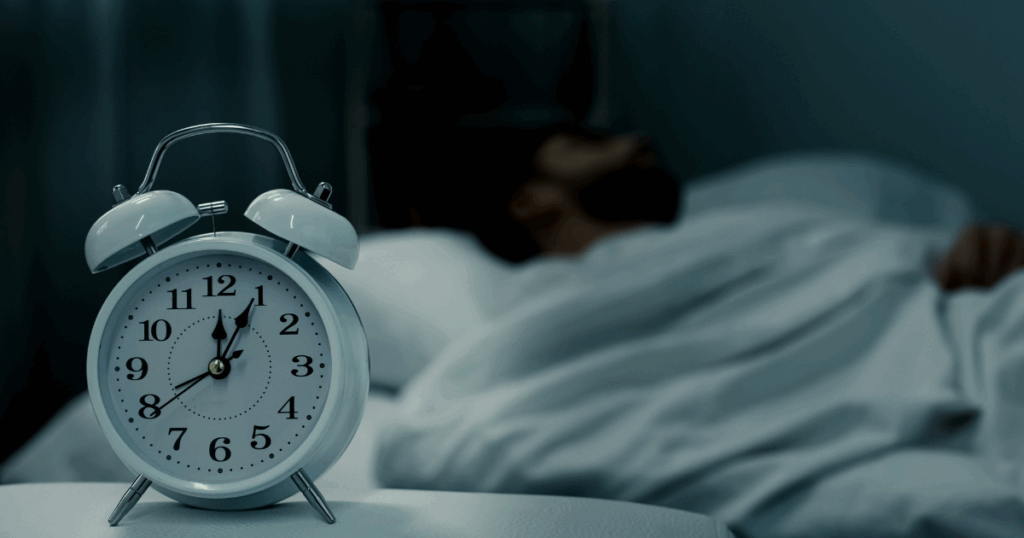
Sleep is when your body performs vital maintenance: balancing cortisol, replenishing growth hormone, and repairing cells. Poor sleep spikes cortisol and insulin, disrupting estrogen and progesterone as well as testosterone. Over time, that leads to fatigue, irritability, mood swings, and stubborn weight gain, classic signs of hormonal imbalance (Fava & Montagnana, 2018).
Sleep also plays a critical role in regulating your menstrual cycle, supporting adrenal glands, and helping your body recover from daily stressors. Inadequate sleep affects HRT outcomes and can amplify menopausal symptoms, including hot flashes and night sweats.
Tip: Keep a consistent bedtime and minimize blue light exposure an hour before bed to support melatonin production and circadian rhythm. Simple habits like turning off electronics and dimming lights before sleep can have a profound impact on overall hormone levels.
2. Nutrition: Food as Information
Are you fueling your body with protein, fiber, and healthy fats, or relying on caffeine and carbs to get through the day?
Balanced meals stabilize blood sugar and insulin, the “master switch” of hormone balance. When insulin spikes, it throws off progesterone, thyroid, and estrogen signaling, creating a ripple effect that impacts your entire endocrine system.
Start simple:
- Build meals around lean proteins (chicken, fish, eggs, legumes).
- Add colorful vegetables for antioxidants.
- Choose omega-3–rich fats (avocado, olive oil, nuts).
Nutrition influences not only weight and energy but also fertility, mood, and skin health. For example, irregular periods or acne flare-ups can often be traced back to dietary imbalances that affect one or more hormones. Integrating whole, nutrient-dense foods into every meal supports your glands and maximizes the effectiveness of HRT if you are using it.

3. Stress: The Hormone Disruptor
Do you manage stress daily through breathwork, journaling, prayer, or movement?
Chronic stress elevates cortisol, which suppresses thyroid function and steals resources from your sex hormones, a phenomenon known as the “pregnenolone steal.” Over time, this can lead to irregular periods, infertility, and worsening health problems like autoimmune flare-ups or acne.
Stress impacts not only sex hormones but also your adrenal glands, which regulate many essential hormones critical to energy, sleep, and metabolism. Unmanaged stress can exacerbate menopause symptoms and hormonal changes that persist even when diet and exercise are optimized.
Practice peace daily: Even 5 minutes of deep breathing or mindful stillness can reduce cortisol and bring your body back into balance. Incorporating meditation, short walks, or light yoga can improve your resilience to stress and support long-term hormone balance.

4. Movement: Find Your Sweet Spot
Are you moving your body consistently, not too little, not too much?
Too little movement slows metabolism and hormone signaling, while overtraining spikes cortisol and can suppress ovulation or testosterone. This imbalance often contributes to polycystic ovarian syndrome (PCOS) and other hormonal changes that affect fertility and energy.
Aim for:
- Strength training 2–3 times per week
- Moderate cardio or walking most days
- Active recovery (stretching, yoga, or leisure movement)
Regular movement helps balance hormone levels, support HRT outcomes, and improve mood regulation. Exercise also enhances insulin sensitivity and promotes healthy metabolism, which indirectly supports optimal hormone function. Even gentle daily movement can make a measurable difference over time.

5. Toxins: Protect Your Hormone Receptors
Are you mindful of the chemicals in your environment?
Endocrine-disrupting chemicals (EDCs) found in plastics, personal care products, and cleaning agents can mimic or block hormones (especially estrogen and progesterone), confusing your endocrine system. These toxins interfere with normal menstrual cycles, contribute to acne, and worsen hormonal imbalance (Gore et al., 2015).
Detox your environment:
- Choose glass or stainless steel instead of plastic.
- Switch to fragrance-free or naturally scented products.
- Read labels carefully. If you can’t pronounce it, it probably doesn’t belong on your skin.
Reducing exposure to environmental toxins also protects thyroid health, supports fertility, and improves skin and hair quality. Small daily adjustments can lower your overall chemical load and reinforce your body’s natural hormonal balance.

Master the Basics, Transform Your Health
These might seem like “small” steps, but I’ve seen it time and again; when patients clean up the foundations, everything else starts to align. Hormones begin to communicate effectively, energy stabilizes, and moods lift.
No supplement, injection, or medication can replace the power of consistent, foundational habits. This checklist is your mirror, helping you identify where small, consistent changes can resolve the cause of your symptoms, whether it’s fatigue, irritability, or weight changes tied to hormonal imbalance.
Consider keeping a daily log of sleep, stress levels, meals, and movement. Tracking patterns can help you see which habits have the greatest impact on your hormone levels and overall health. Over time, small adjustments compound, creating lasting benefits for your menstrual cycle, menopause symptoms, and overall endocrine function.
To learn how foundational lifestyle habits support overall hormone balance, see Chapter 10 of Hormone Havoc.

From At-Home Habits to Precision Medicine
If you’re feeling stuck, overwhelmed, or like “nothing is working,” you don’t have to go it alone. At EVEXIAS, we bridge the gap between lifestyle and precision medicine. Our integrative approach helps you connect the dots between daily habits, hormone testing, and personalized care.
Through bioidentical hormone replacement therapy (HRT), nutritional guidance, and stress management, we target the root cause, not just the symptoms. When lifestyle, nutrition, and advanced therapies work together, your hormones don’t just stabilize; they thrive.
Precision medicine, combined with daily foundational habits, can address concerns ranging from acne and infertility to fatigue, irritability, and menopausal challenges. Every patient’s hormonal needs are unique, and understanding the interplay between diet, movement, sleep, and environmental factors is key to long-term success.