Support Your Adrenal Glands for Restful Sleep
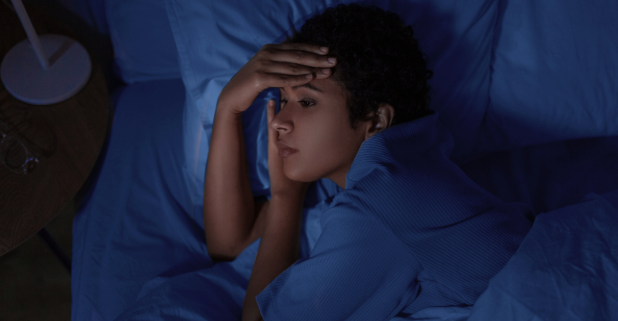
Ever bolt awake at 3:00 AM, mind racing, heart pounding, and unable to fall back asleep? It’s not random, and it’s not “just stress.”
These middle-of-the-night wake-ups are often your body’s way of signaling that something deeper is off: your HPA axis, the delicate communication network between your hypothalamus, pituitary gland, and adrenal glands.
When that axis becomes dysregulated, usually due to chronic stress, poor nutrition, or inflammation, your cortisol rhythm shifts, disturbing natural sleep patterns and lowering sleep quality.
At EVEXIAS, I see this pattern in patients every day, especially those under chronic stress or struggling with fatigue, weight gain, and anxiety.
The good news?
Once you understand the science behind that 3 AM cortisol spike, you can take simple, evidence-based steps to lower cortisol levels, support your HPA axis, and finally sleep through the night again.
Cortisol: Your Brain’s Built-In Alarm System
Cortisol is your body’s primary stress-response hormone, but it’s also crucial for regulating your circadian rhythm; your internal 24-hour clock governing sleep, metabolism, digestion, and hormone production.
Under healthy conditions, cortisol levels follow a predictable rhythm:
- Peak between 6–8 AM, helping you wake up alert and energized.
- Decline gradually throughout the day, giving way to melatonin and preparing your body for rest.
- Reach their lowest point around midnight, supporting deep, restorative sleep.
When chronic stress or inflammation disrupts this rhythm, cortisol may spike in the middle of the night instead of early morning. That surge sends an alert signal through the body, triggering wakefulness right when you should be in your deepest rest phase.
Over time, this pattern doesn’t just create sleep disturbances; it also contributes to fatigue, mood instability, and hormone imbalance across the board.
For a deeper dive into how cortisol interacts with the HPA axis and overall hormone regulation, read Chapter 2 of Hormone Havoc.

The HPA Axis and Sleep Disorders
The HPA axis (hypothalamic–pituitary–adrenal axis) is essentially your stress thermostat. When functioning properly, it allows your body to respond to stress and then return to baseline. However, when this system is constantly activated, due to emotional stress, poor diet, or inadequate sleep, it gets “stuck” in the on position.
The result? Elevated nighttime cortisol, restless sleep, and eventually, full-blown sleep disorders like insomnia or delayed sleep phase syndrome.
When the HPA axis becomes dysregulated, melatonin production also suffers. That means even if you feel exhausted, your body can’t shift into the deep, slow-wave sleep that repairs tissues and balances hormones.
Resetting your sleep-wake rhythm requires supporting both cortisol balance and circadian alignment. This is where targeted lifestyle interventions, like light exposure, nutrition, and stress reduction, become powerful tools.
The Blood Sugar–Cortisol Connection
Here’s one of the most overlooked causes of poor sleep quality: unstable blood sugar.
If you eat a high-carb dinner, drink alcohol before bed, or skimp on protein during the day, your blood sugar can drop too low overnight. When that happens, your body releases cortisol to raise it back up, an emergency response that wakes you up abruptly and sends your mind racing.
This creates a self-reinforcing loop:
- Poor sleep worsens insulin resistance.
- Insulin resistance causes bigger blood sugar swings.
- Blood sugar swings trigger cortisol spikes that disturb sleep.
To break this cycle, start by balancing blood sugar, especially in the evening.
Try this: a small protein-rich bedtime snack, like almond butter on celery or a boiled egg, can stabilize glucose levels and prevent that 3 AM cortisol surge.

The Liver Hour: A Blend of Ancient Wisdom and Modern Science
In Traditional Chinese Medicine, the hours between 1:00 and 3:00 AM correspond to the liver’s detoxification and regeneration cycle. When the liver is overburdened by alcohol, medications, or processed foods, that process becomes disrupted, spiking cortisol and waking you up.
Modern science actually supports this idea. The liver plays a key role in cortisol metabolism; when liver function is impaired, cortisol clearance slows down, allowing higher nighttime levels to circulate (Tsigos & Chrousos, 2002).
Support your liver by:
- Eating cruciferous vegetables like broccoli, kale, and cauliflower
- Prioritizing hydration
- Reducing alcohol and environmental toxin exposure
- Using targeted supplements such as NAC or milk thistle (under practitioner guidance)
These strategies promote lower cortisol levels overnight and improve sleep quality by reducing inflammation and oxidative stress.

How to Rebalance Cortisol Naturally
You can retrain your cortisol rhythm and your brain’s relationship with stress without medication. Here’s how to begin:
- Balance Blood Sugar
A steady glucose curve helps prevent those nocturnal cortisol spikes. Prioritize protein and healthy fats with every meal. - Regulate Light Exposure
Morning sunlight boosts serotonin and aligns your circadian rhythm, while limiting blue light at night allows melatonin to rise naturally. - Limit Alcohol and Caffeine
Both interfere with deep sleep and elevate cortisol levels. Avoid caffeine after 2 PM and reduce alcohol intake during the week. - Support the HPA Axis with Adaptogens
Botanicals like ashwagandha, rhodiola, and holy basil have been shown to help the body adapt to stress and lower cortisol (Lacroix et al., 2015). - Wind Down with Rituals That Calm the Nervous System
Journaling, prayer, or deep breathing before bed signals safety to your brain and reinforces better sleep patterns. - Test Your Cortisol Rhythm
Salivary or dried urine testing can reveal whether your cortisol curve is reversed or flattened, essential insight for targeted intervention.
These science-backed habits help your brain learn that nighttime is for rest, not vigilance, and that better sleep is entirely possible when your body feels safe.

You Deserve Restorative Sleep
If you’re waking up at 3 AM night after night, your body isn’t broken; it’s communicating. Your sleeplessness is a signal from your HPA axis that your stress system needs recalibration.
At EVEXIAS, we take an integrative, root-cause approach to stress and hormone health. Through personalized hormone testing, nutrition strategies, and targeted therapies, we help patients rebalance cortisol, restore circadian alignment, and finally experience the restorative sleep their bodies crave.
When you nurture your stress response, you don’t just sleep better; you think clearly, age more slowly, and live longer.