A Simple Guide for Energy & Balance
Now that you know what to eat for your hormones, let’s master the how.
Strategic meal planning for hormone health transforms knowledge into results. It’s the practical bridge that stabilizes blood sugar, regulates cortisol and insulin, and turns every meal into a deliberate act of hormone support.
When you align what, when, and how you eat with your biology, you create predictable hormonal responses that support energy, mood, and long-term wellness.
Think of hormone-balancing meal planning as a way to consistently nourish your body’s intricate systems. It moves beyond the concept of a short-term diet plan and establishes a sustainable lifestyle that supports your endocrine system every single day. By being intentional, you provide your body with the precise foods for hormone health it needs to function optimally, which in turn supports everything from your metabolism to your mood.
Key Takeaways
- Strategic meal planning stabilizes blood sugar, regulates cortisol and insulin rhythms, and turns eating into a deliberate act of hormone support.
- Every hormone-supportive meal should include quality protein, fiber-rich vegetables, healthy fats, and complex carbohydrates.
- Consistent meal timing reinforces your circadian rhythm, which is crucial for balanced cortisol and insulin release throughout the day.
- A simple weekly framework (e.g., brainstorm, batch-cook, mix-and-match) makes hormone-healthy eating effortless and sustainable.
- Making meal prep a habit reduces decision fatigue and ensures you consistently provide your body with the nutrients it needs for hormonal health.
The Science of a Hormone-Supportive Plate
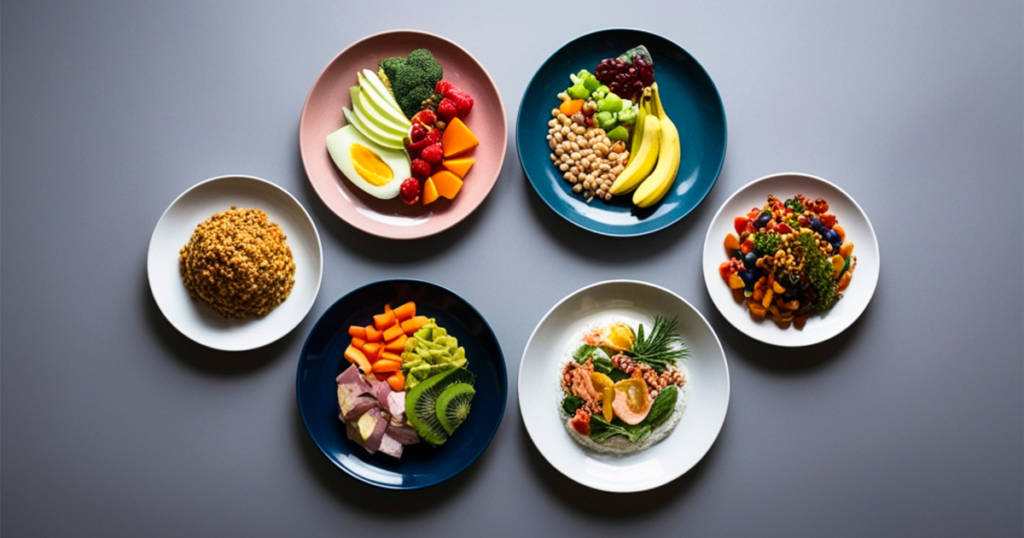
A balanced meal is more than calories; it’s about nutrients that directly influence hormonal pathways. Achieving hormonal balance through diet means understanding the role of each component. This isn’t about restriction, but about choosing whole foods that work in harmony with your body.
- Protein provides amino acids essential for neurotransmitter synthesis, helping regulate mood and energy (Gonzalez et al., 2017). It also helps stabilize blood sugar levels throughout the day, preventing the crashes that can trigger cravings and mood swings.
- Fiber-rich carbohydrates stabilize blood sugar and prevent insulin spikes that can disrupt hormonal signaling (Micha et al., 2017). Prioritizing complex carbs like vegetables, whole grains, and legumes provides a steady release of energy, unlike refined carbohydrates that can lead to weight gain and inflammation.
- Healthy fats are crucial for supporting hormone production, including sex hormones like estrogen and testosterone. Monounsaturated and omega-3 fats from avocado, nuts, seeds, and fatty fish are particularly supportive (Simopoulos, 2016). These fatty acids are the building blocks for hormones and are vital for reducing cellular inflammation.
- Consistent meal timing reinforces circadian rhythms, supporting cortisol and insulin balance throughout the day (Garaulet et al., 2010).
Beyond the macronutrients, the quality of your choices matters immensely. Incorporating specific items like flaxseed for fiber and lignans, a cup of green tea for its antioxidant properties, or even a small square of dark chocolate as a magnesium-rich treat can add another layer of support. Adequate hydration is also critical, as it supports every metabolic process, including digestion and nutrient transport. This holistic approach to eating is what transforms a simple meal into a tool for overall health and vitality.
Your “No-Stress” Weekly Meal Prep Framework
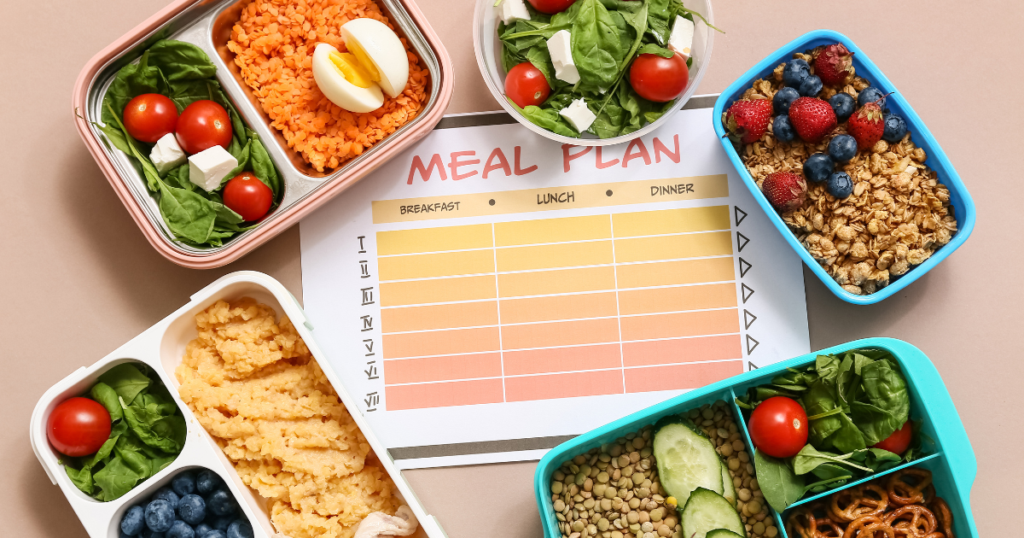
Forget perfection. Follow this simple, efficient routine to make hormone-friendly meals effortless all week long.
Step 1: The 15-Minute Weekly Brainstorm
- Pick 2 simple breakfasts (e.g., Greek yogurt bowls, veggie omelets).
- Choose 3 versatile proteins for lunch/dinner (e.g., baked salmon, shredded chicken, chickpeas).
- Select 3-4 hardy vegetables (e.g., broccoli, bell peppers, spinach, sweet potatoes).
- Plan your healthy fats (avocado, pesto, tahini dressing).
- Take a moment to check your grocery list against your pantry to ensure you have everything you need, preventing last-minute stress and unhealthy choices.
Step 2: The Efficient 90-Minute Cook-Up
- Roast all veggies on one or two sheet pans.
- Cook proteins in batches (bake, sauté, or Instant Pot).
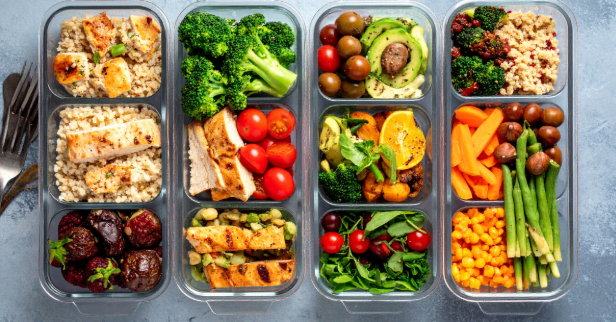
- Prepare a large batch of a complex carb like quinoa or lentils.
- Make one versatile sauce or dressing (e.g., lemon-tahini, pesto).
Step 3: Easy Mix-and-Match Assembly
Combine components differently each day to create variety without extra work: bowls, salads, wraps, or simple plates.
Sample Day: Hormone-Balancing Meals for a Busy Life
- Breakfast: Greek yogurt with berries, chia seeds, and a sprinkle of almonds.
- Lunch: “Build-Your-Own” bowl with quinoa, shredded chicken, roasted broccoli, and avocado with lemon-tahini drizzle.
- Snack: Apple slices with almond butter. You could also add a few pumpkin seeds for an extra boost of magnesium and zinc, which are vital for reproductive health and can help support healthy testosterone levels.
- Dinner: Pan-seared salmon with a large side of sautéed spinach and garlic, plus a small roasted sweet potato.
Make Meal Prep Your Greatest Health Ally
This isn’t about rigid control; it’s about creating a structure that frees you from decision fatigue and consistently supports your well-being. Strategic meal planning is a cornerstone of sustainable hormonal health. By adopting this approach, you are actively working to correct the root causes of hormonal imbalance, such as unstable blood sugar and nutrient deficiencies, rather than just treating the symptoms. This is a powerful act of self-care that pays dividends in your energy, clarity, and overall well-being for years to come.
Ready to take the next step? Download our free guide, Stop Guessing What to Eat, to get meal timing strategies designed to fuel your hormones.