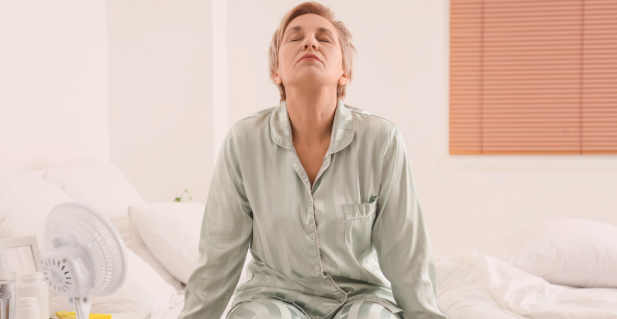
Why You’re Not Sleeping (and How to Fix It)
Why Sleep Gets Worse After 40
Starting in your late 30s and accelerating through perimenopause and menopause, your body undergoes significant hormonal fluctuations. The hormones responsible for regulating your sleep patterns estrogen, progesterone, cortisol, and melatonin all begin to shift. These changes do not happen in isolation. They interact, amplify each other, and gradually erode your ability to fall asleep, stay asleep, and reach the deep, restorative stages your body depends on. Understanding why this happens is the first step toward actually fixing it.
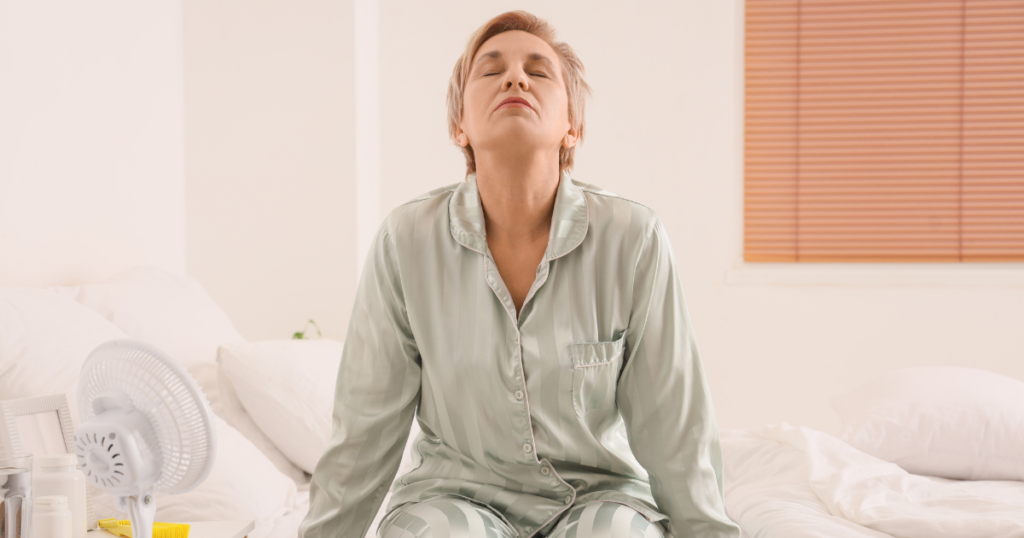
The Hormones Disrupting Your Sleep
Four key hormones drive most sleep problems in women over 40:
Estrogen helps regulate body temperature and supports serotonin production, which influences your sleep cycle. As estrogen levels drop, hot flashes and night sweats follow pulling you out of sleep at the worst possible times.
Progesterone is the calming hormone. It has natural sedative properties and promotes deeper sleep. Falling progesterone levels mean lighter, more fragmented rest and increased anxiety at night.
Cortisol is your primary stress hormone, and it should be lowest at night. When it is dysregulated which chronic sleep deprivation and daily stress make worse it spikes in the early morning hours, waking you up before you are ready.
Melatonin production naturally declines with age, making it harder to feel sleepy at the right time and stay asleep through the night. The interplay of estrogen, progesterone, cortisol, and melatonin is why hormonal imbalance creates such stubborn sleep disturbances.
Common Sleep Problems Women Over 40 Experience
Hormonal changes show up in predictable patterns. Here is what many women report:
- Difficulty falling asleep despite feeling exhausted
- Waking repeatedly during the night, especially between 2 and 4 a.m.
- Night sweats that disrupt deep rapid eye movement (REM) sleep
- Early morning waking with an inability to fall back asleep
- Daytime fatigue, brain fog, and irritability from chronic lack of sleep
- Racing thoughts or anxiety at bedtime
- Symptoms consistent with insomnia or sleep disorder even without a formal diagnosis

Signs Your Hormones Are Affecting Your Sleep
Not all sleep problems are hormonal but many are. Red flags that hormones affect your sleep include: waking consistently at the same time each night (often tied to cortisol patterns), night sweats without illness or fever, a noticeable worsening of sleep quality around your menstrual cycle or during perimenopause, and mood shifts like anxiety or depression that appear alongside poor sleep. If sleep deprivation has crept up gradually over your 40s and traditional remedies are not helping, your hormones deserve a closer look. This is not about masking symptoms. It is about finding the root cause.
The Hormone–Sleep Cycle: Why It Keeps Getting Worse
Here is the part nobody talks about enough: poor sleep actively worsens hormonal balance. When you are not getting adequate sleep, your adrenal glands produce more cortisol. Elevated cortisol further suppresses progesterone and disrupts your sleep-wake cycle the following night. Meanwhile, lack of sleep impairs melatonin regulation and triggers inflammatory responses that put additional stress on your endocrine system. The result is a reinforcing cycle hormonal fluctuations cause sleep disturbances, and sleep deprivation deepens hormonal imbalance. Breaking this cycle requires addressing the hormonal side of the equation, not just the sleep hygiene side.

How To Improve Sleep Naturally
Good sleep hygiene matters at every stage of life. These habits support hormonal balance and improve sleep quality:
- Keep a consistent sleep schedule same bedtime and wake time, even on weekends. This stabilizes your sleep-wake cycle.
- Keep your bedroom cool and dark. Temperature regulation is essential when estrogen-driven hot flashes are disrupting sleep.
- Limit screen exposure an hour before bed. Blue light suppresses melatonin production.
- Prioritize stress management breathwork, gentle movement, and time in nature all help lower cortisol.
- Eat a nutrient-dense, anti-inflammatory diet that supports hormonal balance. Blood sugar spikes at night can trigger cortisol release.
Don’t Self-Medicate With Toxins
When sleep is broken night after night, it is tempting to reach for a glass of wine or a sleep aid. Resist it. Alcohol disrupts the sleep cycle significantly it may help you fall asleep faster, but it fragments sleep in the second half of the night and suppresses REM sleep, the most restorative stage. It also worsens hormonal imbalance over time. Similarly, relying on sedatives or over-the-counter sleep aids does nothing to address the root cause and can create dependency. Better sleep has to be built, not borrowed.

The Bottom Line
If you are over 40 and struggling to sleep, your hormones are almost certainly part of the story. The good news? Hormonal imbalance is addressable. Sleep quality can genuinely improve not just marginally, but dramatically when the underlying hormonal root cause is identified and treated. You deserve to feel rested. Let’s figure out why you’re not.
If hormonal sleep issues are affecting your quality of life, I want to help. Visit hormonehavoc.com to learn more about the integrative approach to hormone optimization and grab a copy of Hormone Havoc for the full picture on what your hormones are doing and how to take back control.